
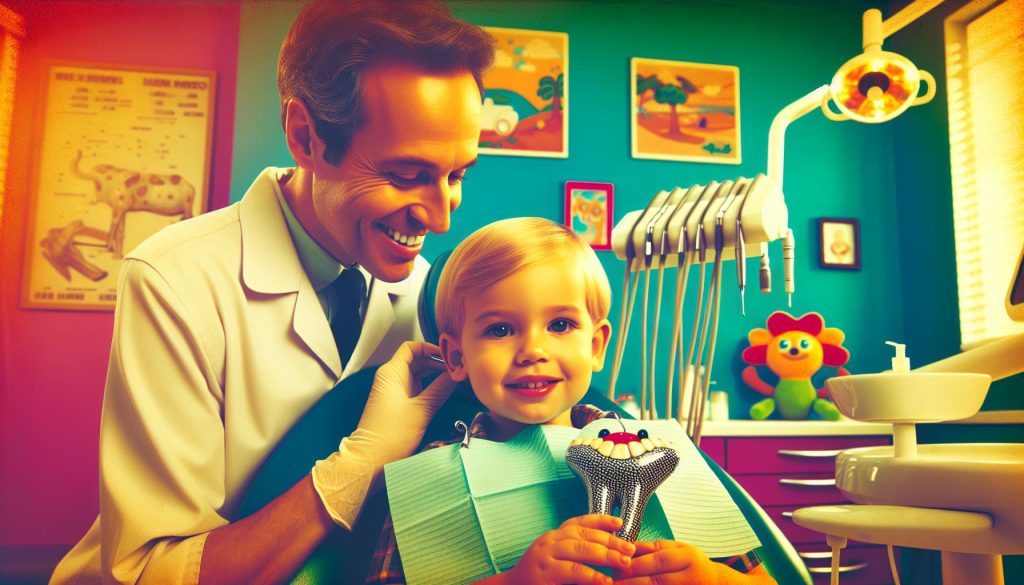
Teething can be a challenging time for both children and parents, often causing discomfort and sleepless nights. A kids dentist plays a crucial role in easing this transition, offering guidance on managing teething pain and promoting early oral health. By understanding the importance of dental care from an early age, parents can ensure their little ones develop healthy habits that last a lifetime.
Key Takeaways
- Importance of Early Dental Care: Early intervention with a kids dentist promotes long-lasting oral health and positive hygiene habits in children.
- Understanding Teething: Teething typically starts around six months, and recognising symptoms such as irritability and swollen gums can aid parents in seeking timely advice.
- Role of a Kids Dentist: Kids dentists provide expert support tailored to children’s unique needs, offering strategies for managing teething pain and promoting healthy development.
- First Dental Visit: Parents should schedule their child’s first dental visit by age one, which establishes a foundation for positive dental experiences and effective oral care education.
- Teething Remedies: Effective strategies for managing teething discomfort include the use of cold items, gentle gum massages, and consultation on safe medications.
- Promoting Good Oral Hygiene: Encouraging proper brushing techniques and balanced nutrition from an early age significantly contributes to maintaining optimal oral health in children.
Importance of Early Dental Care
Early dental care significantly impacts a child’s overall health. A kids dentist provides essential guidance during teething and helps develop positive oral health habits.
Understanding Teething
Teething occurs when a child’s primary teeth emerge through the gums, typically beginning around six months. This natural process varies among children and can last until the age of three. A kids dentist can assist parents in identifying the stages of teething and provide strategies to ease discomfort. They offer tailored advice based on individual needs, ensuring both the child and parent feel supported during this phase.
Common Teething Symptoms
Several symptoms accompany teething, including:
- Irritability: Children often show increased fussiness as teeth begin to push through the gums.
- Drooling: Excessive saliva production is common, sometimes leading to skin irritation around the mouth.
- Swollen Gums: Gums may become red and swollen, signalling that a tooth is nearing eruption.
- Difficulty Sleeping: Disturbed sleep patterns often result from discomfort and the body adjusting to changes.
- Loss of Appetite: Some children may refuse to eat due to gum sensitivity.
Recognising these symptoms early allows parents to seek advice from a kids dentist, ensuring proper management and support for their child’s oral health.
Role of a Kids Dentist

A kids dentist plays a crucial role in managing teething discomfort and promoting early oral health in children. They offer specialised support tailored to the unique needs of young patients.
Expertise in Paediatric Dentistry
Kids dentists possess training focused on children’s dental health. They understand the teething process, which typically starts at six months and can continue until age three. With knowledge of symptoms like irritability, drooling, and swollen gums, they diagnose issues more effectively. A kids dentist also provides strategies for pain relief and advice on safe teething aids. Their expertise ensures that parents receive accurate guidance regarding the development of a child’s teeth and overall oral hygiene.
First Dental Visit Guidelines
Parents should schedule a child’s first dental visit by age one or within six months of the first tooth appearing. This early appointment allows the dentist to assess oral health, offer preventive care, and discuss best practices for dental hygiene. During the first visit, the dentist will often perform a gentle examination and provide education on brushing techniques and dietary considerations. Establishing a positive experience early on encourages children to feel comfortable with future dental visits and fosters a lifelong commitment to oral health.
Strategies for Managing Teething Discomfort
Managing teething discomfort requires understanding common challenges and applying effective remedies. Parents can ease their child’s pain through practical strategies and professional advice.
Recommended Teething Remedies
- Cold Items: Use cold teething rings or chilled washcloths. The cold sensation numbs the gums and provides temporary relief.
- Massage: Gently massaging the gums with a clean finger can alleviate discomfort. This simple action can help soothe irritation.
- Teething Biscuits: Offer hard teething biscuits specifically designed for infants. Chewing on these can distract from pain while providing a safe and enjoyable experience.
- Over-the-Counter Medication: Consult a paediatrician about suitable over-the-counter pain relievers. Medications such as paracetamol can reduce discomfort when used as directed.
- Topical Gels: Some topical gels can numb the gums, but it’s essential to seek a dentist’s recommendation prior to use.
When to Seek Professional Help
Parents should consult a kids dentist if teething symptoms persist for an extended period. Signs indicating a need for professional intervention include:
- High Fever: A significant rise in temperature beyond typical teething symptoms may signal an underlying issue.
- Severe Irritability: Continual crying or excessive fussiness can indicate discomfort that requires evaluation.
- Persistent Drooling: An excessive amount of drooling not accompanied by other signs of teething can raise concerns about other conditions.
- Gum Infection: Swollen or red gums that appear inflamed may suggest an infection that needs professional management.
- Dental Issues: Any abnormalities in tooth eruption or alignment warrant a visit to the dentist.
Recognising these situations ensures proper management of teething discomfort, fostering healthy and proactive dental care.
Ensuring Optimal Oral Health
A kids dentist plays a vital role in promoting optimal oral health during the early years. Regular dental visits and education on oral hygiene serve as the foundation for a child’s lasting dental well-being.
Developing Good Oral Hygiene Habits
Establishing good oral hygiene habits from an early age becomes essential for children. A kids dentist encourages parents to initiate brushing as soon as the first tooth appears. Using a soft-bristled toothbrush and fluoride toothpaste in a pea-sized amount helps remove plaque effectively. Supervised brushing twice daily cultivates positive routines.
Introducing flossing once two teeth touch further supports dental health. A kids dentist provides practical demonstrations, showing parents optimal techniques. Encouraging children to embrace these habits fosters independence while reinforcing their commitment to oral care.
Nutrition Tips for Dental Health
Balanced nutrition significantly contributes to a child’s dental health. A kids dentist recommends offering a variety of fruits, vegetables, whole grains, and dairy products. These foods provide essential nutrients like calcium and phosphorus, promoting strong teeth and gums.
Limiting sugary snacks and beverages protects children from cavities. A kids dentist advises choosing healthier options such as water, milk, and unsweetened foods. Regular mealtimes help reduce grazing, while snacks like cheese or crunchy vegetables can support oral health.
Addressing dietary habits early on leaves a positive impact on a child’s overall dental health, setting them up for a lifetime of proper care and maintenance.
Conclusion
Navigating the teething phase can be challenging for both children and parents. A kids dentist plays a pivotal role in easing discomfort and promoting healthy oral habits from an early age. By providing tailored support and expert advice, they help ensure that children experience a smoother transition through teething and beyond.
Early dental visits foster a positive relationship with oral health that can last a lifetime. With the right guidance and care, parents can equip their children with the tools they need for strong teeth and gums. Establishing good habits early on sets the foundation for a healthy future, making the role of a kids dentist invaluable in this journey.
Frequently Asked Questions
What is teething, and when does it begin?
Teething is the process when a child’s teeth break through the gums, typically starting around six months of age and lasting until about three years old. It can cause discomfort and various symptoms such as irritability, drooling, and swollen gums.
How can I recognise teething symptoms in my child?
Common teething symptoms include irritability, excessive drooling, swollen gums, difficulty sleeping, and a decreased appetite. Recognising these signs early can help you manage your child’s teething discomfort effectively.
When should I take my child to a kids dentist?
It’s advisable to schedule your child’s first dental visit by age one or within six months of their first tooth appearing. Early dental care helps assess oral health and establish good hygiene practices.
What role does a kids dentist play during teething?
A kids dentist provides specialised support during teething, offering guidance on pain relief and safe teething aids. They also help ensure proper dental development and hygiene for young patients.
What are some effective strategies for managing teething discomfort?
Parents can manage teething discomfort by using cold items, gently massaging the gums, offering teething biscuits, and consulting a paediatrician for suitable over-the-counter medications.
When should I seek professional help for my child’s teething issues?
Seek help from a kids dentist if your child experiences high fever, severe irritability, persistent drooling, signs of gum infection, or any unusual dental symptoms. Prompt attention helps manage complications effectively.
How can I promote good dental hygiene in my child?
Start good dental hygiene by brushing your child’s teeth as soon as the first tooth appears. Introduce flossing when two teeth touch, and encourage a balanced diet while limiting sugary snacks to prevent cavities.
Why is early dental care important for my child?
Early dental care significantly impacts your child’s overall health by preventing dental issues, establishing good oral hygiene habits, and creating a positive experience that encourages lifelong dental health commitment.